
Every day, we’re doing things to tire out our ticker, and may not even know it. The stats prove it: According to the Centers for Disease Control and Prevention (CDC), about 610,000 people die from heart disease in the United States every year. This means that one in four deaths that occur annually is the result of heart disease or some type of cardiac event. Fortunately, identifying your bad habits, and changing them easily and effectively, can lead to a happier and healthier life. Keep reading to find out how—and to ensure your health and the health of others, don’t miss these Sure Signs You’ve Already Had COVID.
You know your body well, so you can usually gauge when something is off. So don’t brush off the symptoms of your heart asking for help. Time is crucial when attempting to minimize the damage from heart disease or other cardiovascular events.
The quicker you seek treatment, the less likely you’ll suffer from permanent damage that can’t be reversed. “It’s better for it to be much ado about nothing than sitting on a heart attack for six hours,” says Dr. Robert J. Ostfeld, MD, MS from the Cardiac Wellness Program at Montefiore.
The Rx: Depending on the type of cardiovascular event or condition you’re experiencing, you could feel a wide range of physical symptoms, including:
- Chest pain.
- Shortness of breath.
- Pain, numbness, weakness, or coldness in your legs or arms.
- Pain in your jaw, throat, back, or upper abdomen.
- Dizziness.
- Fluttering in your chest.
- Swelling in your legs, hands, ankles, or feet.
- Fatigue.
- Skin rashes or skin spots.
- A dry cough that won’t go away.
If you’re experiencing sudden shortness of breath, chest pain, or fainting, visit your local emergency room as soon as possible. If you’re experiencing any of the other heart disease symptoms, make an appointment with your doctor to get it checked out.

Sleep isn’t just important for your energy, focus, mental health, healthy weight and good looks— it also contributes directly to your heart health. If you have an erratic sleep schedule, you could be causing your body undue stress, which can increase your risk for cardiovascular disease and other heart conditions.
According to the National Sleep Foundation, an erratic sleep schedule and lack of solid sleep each night “causes disruptions in underlying health conditions and biological processes like glucose metabolism, blood pressure, and inflammation.” And we already know how high blood pressure and inflammation make your heart work harder, ultimately increasing your chances for a cardiac event.
The Rx: To keep your heart happy, it’s important to regularly get the recommended number of hours of sleep each night. For adults, that’s a solid seven to nine hours.

A long commute requires a lot of sitting, which is also bad for your cardiovascular health. According to a study published in BMJ Journal, “Prospective observational studies have shown associations between walking or cycling to work and health, principally through a reduced risk of cardiometabolic disease.” Long and stressful commutes that require long periods of sedentary sitting, on the other hand, can increase risks for heart disease and overall poor cardiovascular health.
The Rx: If possible, try to bike or walk to work and skip the stressful commute altogether. If you have to drive, relieve the stress of traffic by listening to a meditation podcast or soothing music.

Your money troubles could have a direct effect on your heart health. A study published in the American Journal of Preventive Medicine examined 2,256 African-American men and women who had no prior cardiovascular conditions. About 4% of the participants had a heart attack or other cardiac event within the follow-up period of 9.6 years. According to Dr. Cheryl Clark of Brigham and Women’s Hospital and the senior study author, “We found that psychological feelings of stress due to finances were related to the onset of heart disease, such as heart attacks and procedures used to treat heart attacks – even when other issues like access to care, or difficulty affording medications were considered.”
The Rx: If finances are the culprit for much of your stress, create a budget you can stick to that makes you feel more in control. Consider meeting with a financial advisor who can help you learn how to live within your means or address your debt concerns.

Trying to get the kids to the school bus on time, meeting deadlines at work, or paying an unexpected home improvement bill can all be culprits for stress. And if you’re constantly feeling the side effects of stress, your body can feel the consequences. It can cause your heart rate to become erratic and is also known to cause inflammation in the body. If you’re in a constant state of stress, your body is in this unhealthy state all the time.
The Rx: If your life feels stressful on a daily basis, it’s time to take some things off your plate to get heart-healthy. Say “no” to some of your obligations, if possible, so you can free up time and focus on the important things. Try a daily meditation session and don’t skimp on exercise. Everyone has a different technique for dealing with stress, so you may want to try listening to soft music, taking a bubble bath, or watching a funny TV show to wind down.
RELATED: Secrets Your Doctor is Keeping From You, Revealed

Even if you don’t have high blood pressure, the consumption of caffeine can result in a dramatic spike in your blood pressure for a short period of time. According to the Mayo Clinic, some researchers believe this spike occurs because caffeine blocks a hormone that keeps your arteries widened. Other researchers believe the blood pressure spike happens because caffeine signals your adrenal glands to produce more adrenaline.
The Rx: If you’ve already been diagnosed with high blood pressure, consult your doctor before you consume caffeine. If you don’t suffer from high blood pressure but feel you’re having adverse effects to caffeine, it’s time to cut back. The Mayo Clinic recommends “limiting the amount of caffeine you drink to 200 milligrams a day—about the same amount as is generally in two 8-ounce (237-milliliter) cups of brewed coffee.”

When you get angry, your body releases stress hormones, which cause your blood pressure to rise and your heart rate to increase. According to Dr. Murray A. Mittleman, from Harvard Medical School, “It also makes your blood more likely to clot, which is especially dangerous if your arteries are narrowed by cholesterol-laden plaque.” After you experience an angry outburst, your chances of experiencing a heart attack, stroke, or chest pain slightly increase for the next two hours.
The Rx: Keep your anger in check and don’t react in the moment. Communicate calmly instead of expressing your anger loudly or violently. Dr. Michael C. Miller from Harvard Medical School says, “That can lead to more anger. So step back from it, and don’t take immediate action unless you have to. By keeping your head cool, you may get more satisfaction—and perhaps avoid a serious heart-related problem.” In some cases, you may need to walk away and have a moment to yourself before attempting to resolve the conflict.
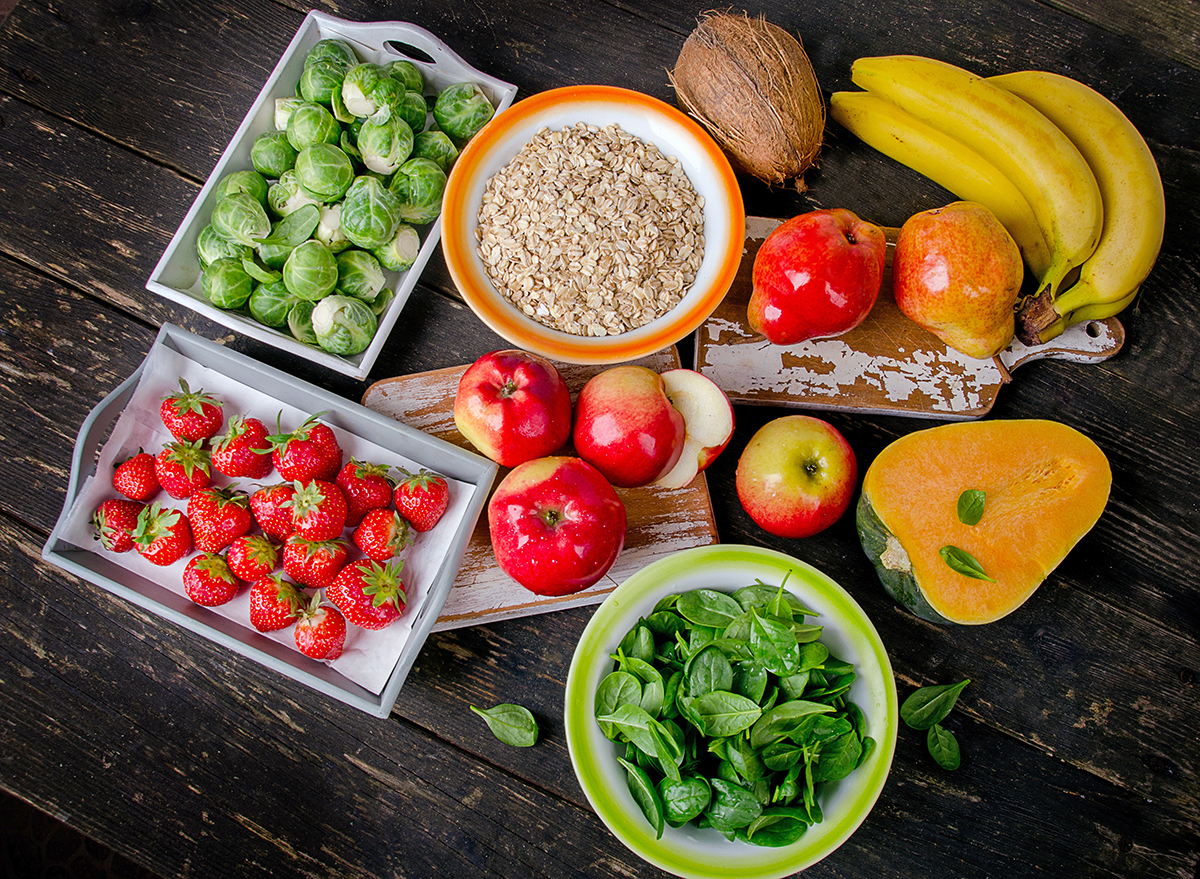
Sorry, it’s not gummy worms. No, the USDA recommends that female adults up to age 50 consume 25 grams of fiber per day and adult males up to age 50 consume 38 grams of fiber daily. Female adults older than 50 years of age should consume 21 grams of fiber each day while males should consume 30 daily grams of fiber daily. It’s also recommended to get most of this fiber from real foods and not supplements.
The Rx: Eat a healthy diet that incorporates foods that are high in fiber, such as:
- Beans.
- Vegetables.
- Fruits.
- Nuts.
- Seeds.
Focus on eating these foods as raw and natural as possible, and try to eliminate processed foods from your diet as much as possible.
RELATED: The #1 Cause of “Deadly” Inflammation, Says Science
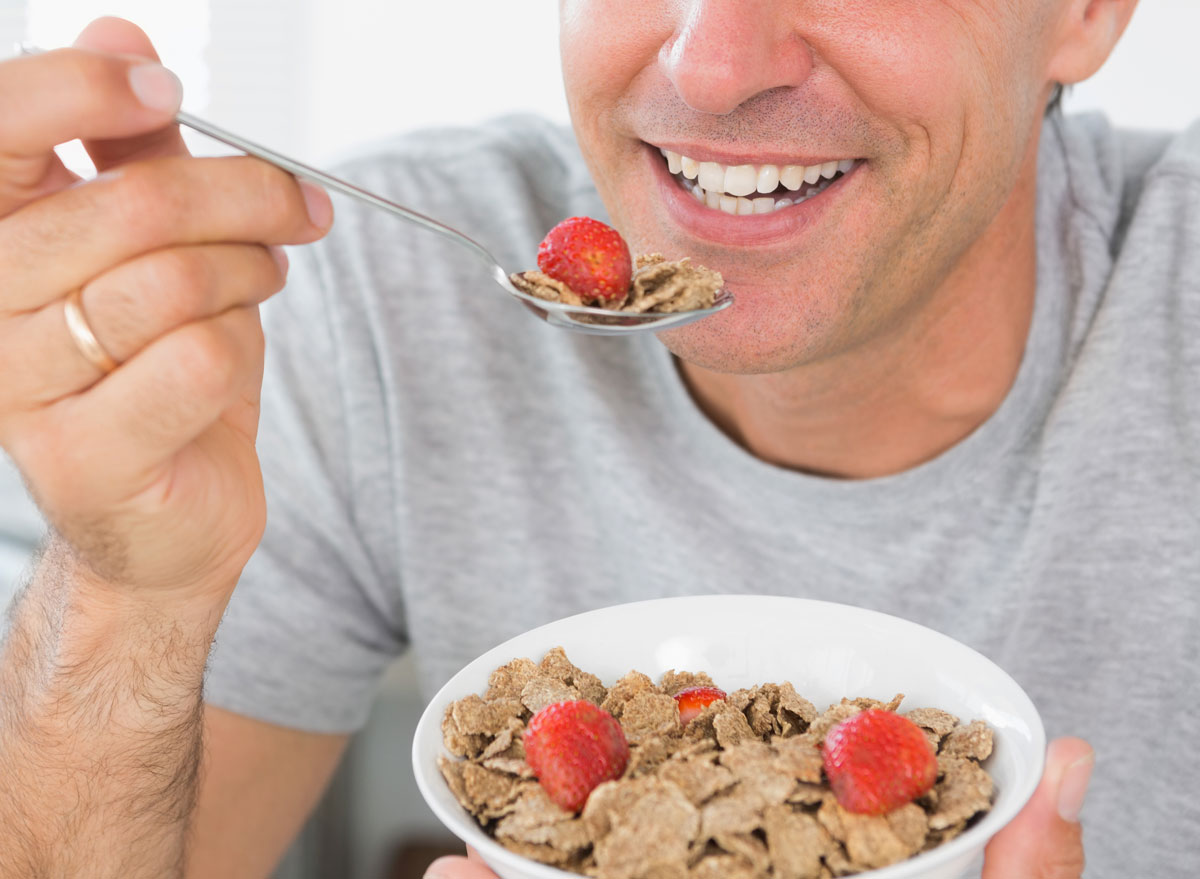
Bing bing bing: It’s breakfast. A study published in the Journal of the American College of Cardiology researched the link between skipping breakfast and cardiovascular disease, along with other factors for mortality. The study concluded that, “Skipping breakfast was associated with a significantly increased risk of mortality from cardiovascular disease.” Not only does breakfast decrease your risk of cardiovascular disease, a healthy first meal of the day can also keep you satiated, which helps to curb overeating.
The Rx: Your daily breakfast should include healthy foods that will provide you with energy and nutrients. Some of the best breakfast options may include whole-grain cereals or oatmeals, protein sources, such as peanut butter or low-fat turkey, or fruits and vegetables.

More than half of the average person’s waking hours are spent sitting, according to a study published in the Annals of Internal Medicine. If you have a desk job or a sedentary lifestyle, the number of hours you sit can be even higher. The study also found that you burn 30% more calories when you’re standing as opposed to sitting. But this isn’t all about calories. Even if you work out for an hour each day but sit for the rest of your day, you can still increase your risk for heart disease or a cardiovascular event.
The Rx: If you’re stuck at a desk job, consider installing a standing desk. If this isn’t an option, set an alarm every one to two hours during your sitting hours. When the alarm goes off, take a three to five minute walk around the building before getting back to your chair. (Or, drink an eight ounce glass of water every hour. That way, you’ll be well-hydrated—and also forced to stand up to use the loo.)

An annual physical exam is an important part of staying healthy. In addition, you should also get bloodwork done each year. That allows your doctor to better understand your numbers when you’re well.
With a baseline, your doctor can identify red flags that your body isn’t feeling its best. According to Dr. Michael Fedewa, Jr., DO, a physician at Duke Primary Care Holly Springs Family Medicine, “If we know you when you’re well, we’re going to be ready to provide the best care when you’re sick, and we may be able to prevent some illness altogether.”
The Rx: No matter your age, it’s important to get a thorough blood work panel completed each year. If your doctor orders you to get specific blood tests, don’t delay. Having your blood work on file can help your doctor to quickly and accurately identify a problem with your heart.
If you carry excessive weight around your midsection, it can increase your risk for heart disease and other heart-related events. According to Dr. Barbara Kahn from Medicine at Harvard Medical School, “There are many studies showing that an unfavorable waist-to-hip ratio is highly associated with diabetes and cardiovascular risk.”
A study published in the Journal of the American Heart Association found that women who carried more weight around their midsections were 10 to 20% more likely to suffer heart attacks than women who were generally overweight. Men with beer bellies had a 6% increased risk of suffering from a heart attack than average or generally overweight men.
The Rx: Keep weight gain in check, especially if you notice a growing waistline. Follow a healthy diet and exercise daily. Instead of crash dieting to lose the pounds, Dr. Kahn says, “I don’t talk with patients as much about going on a diet as I do about creating a long-term lifestyle program that includes physical activity and sustainable dietary changes.”

According to Dr. Troy Madsen, MD, from the University of Utah, “Chest pains are one of the most common problems seen in the ER.” If you want to avoid an unnerving visit to him at 3 a.m., it’s important to visit your doctor annually. Even if you…
The #1 Worst Habits for Your Heart, Say Doctors — Eat This Not That